



News
We believe that helping others is the source of happiness. Leveraging our expertise, we are dedicated to solving your industry-specific challenges.
Features of Cabinets Made of Different Materials for LED Displays
Author: SHENZHEN LONGDA LED CO.,LTD.
Click:
Features of Cabinets Made of Different Materials for LED Displays
1. Cold Rolled Steel Cabinet (Iron Cabinet)
Low cost and high hardness with strong load-bearing capacity. However, it is heavy in weight, prone to rust and poor in heat dissipation. It is bulky and mainly applied to simple outdoor storefront screens and low-end fixed installation screens. Extra anti-rust spraying treatment is required for waterproof performance.
2. Die-cast Aluminum Cabinet
Integrally die-cast, light-weight and high-precision with minimal splicing gaps. It features excellent heat dissipation and anti-deformation performance, supporting front maintenance. Widely used for stage rental screens. With better moisture and rust resistance and easy assembly & disassembly, it is suitable for rental LED screens and high-end fixed outdoor displays, though more expensive than steel cabinets.
3. Magnesium Alloy Cabinet
Lighter than die-cast aluminum while maintaining sufficient structural strength and fast heat conduction. Ultra-thin, portable and highly anti-corrosive. It has the highest material cost, commonly adopted for lightweight high-end rental screens and fine-pitch outdoor LED displays.
4. Stainless Steel Cabinet
Superior rust and corrosion resistance, capable of resisting coastal salt spray and industrial chemical erosion. Disadvantages include heavy weight and high processing cost with stable anti-deformation performance. Ideal for harsh outdoor environments such as seaside and chemical factories.

5. Aluminum Profile Simple Cabinet (Aluminum Frame + Backboard)
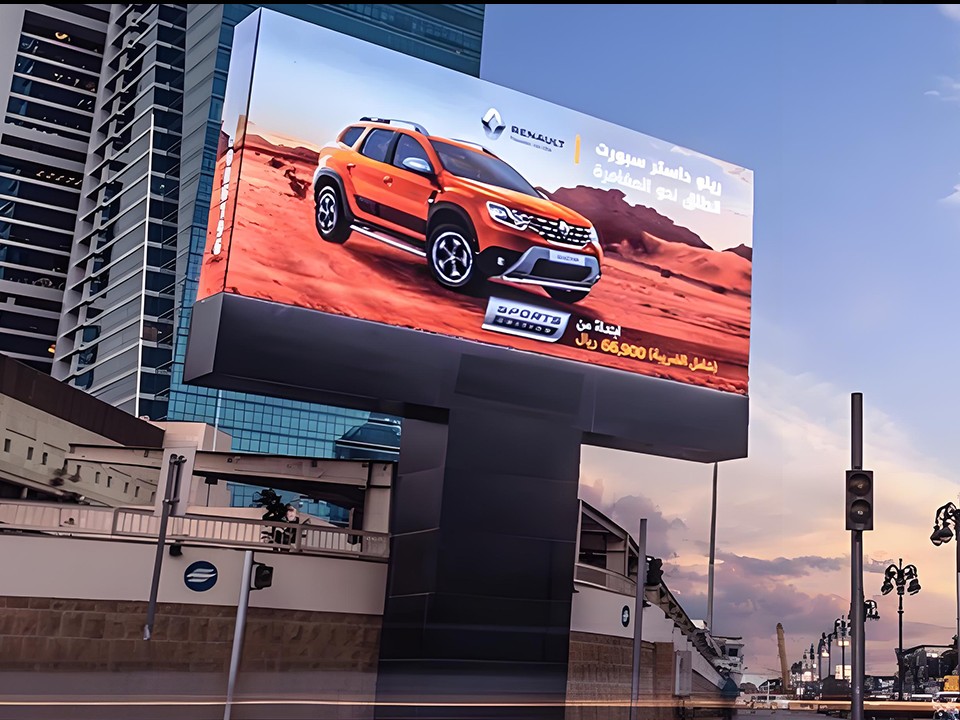
Moderate price, light weight and decent heat dissipation. Its splicing flatness is average with simple structure. Mainly used for indoor single/dual-color screens and small outdoor advertising displays.

点击右上角
分享给朋友吧







 Long by picture save/share
0
你的喜欢,就是我坚持写下去的能量器
YouArticle
已有0人推荐
